
The Best Daily Habits to Boost Immunity

Did you know that about 70% of your immune system is in your gut? This fact shows how important it is to have good daily habits to boost your immunity. A strong immune system is key, more so during flu season or when facing global health issues. By adding effective habits to my daily life, I want to improve my immune system and overall health.
I will look into how different daily practices can help. This includes what I eat and how I live my life. These habits can make my immune system stronger and more resilient.
Key Takeaways
- Adopting specific habits can significantly enhance immune system support.
- A healthy gut plays a critical role in immunity.
- Nutrition, exercise, sleep, and stress management are vital for immune health.
- Daily routines should incorporate a holistic approach to wellness.
- Building immunity requires consistency in healthy habits.
Understanding the Immune System
https://www.youtube.com/watch?v=oi2oeKVGdq8
The immune system is key to keeping me safe from harm. It has parts like white blood cells, antibodies, and the lymphatic system. These work together to keep me healthy.
White blood cells fight off bad guys like bacteria and viruses. Antibodies help by recognizing and stopping specific threats. This teamwork helps my body stay strong.
The lymphatic system helps white blood cells move around the body. This ensures they can fight off invaders where they're needed. But, stress, bad food, and not enough sleep can weaken it. By following immune system support tips, I can help keep my immune system strong.
The Importance of Daily Habits for Immune Health
Creating a daily immune boosting routine is key to a strong immune system. My daily habits help my body fight off infections and illnesses. By focusing on immune boosting activities, I turn my daily life into a defense against health problems.
Important habits for a strong immune system include regular exercise, a balanced diet, enough sleep, and managing stress. These choices help my immune system work better, keeping it in top shape.
Eating foods rich in nutrients is essential for my body and immune system. Drinking plenty of water helps my cells work right. Exercise not only boosts circulation but also lifts my mood, which helps reduce stress.
Understanding how these habits connect helps me build resilience. By sticking to a daily immune boosting routine, I protect my health and well-being.
| Habit | Benefit |
|---|---|
| Balanced Diet | Nourishes the body, supports immune function |
| Regular Exercise | Boosts circulation and reduces stress |
| Adequate Sleep | Restores energy and aids recovery |
| Stress Management | Improves overall health, enhances immune response |
The Best Daily Habits to Boost Immunity

Adding healthy habits to my daily life boosts my immune system. Eating foods full of nutrients is key. Vitamins C and D, and zinc help my body fight off sickness. I'll share easy ways to eat better and stay hydrated.
Incorporating Nutrient-Rich Foods
I focus on eating foods packed with good stuff. Here are some must-haves:
- Fruits and vegetables: Citrus fruits, berries, and leafy greens are full of vitamins.
- Nuts and seeds: Almonds, sunflower seeds, and pumpkin seeds have lots of zinc.
- Lean proteins: Chicken, fish, and legumes help keep my immune system strong.
Staying Hydrated Regularly
Drinking enough water is essential for my health. I drink at least eight glasses a day. Herbal teas and clear broths also help. Here are some favorites:
| Hydrating Foods | Benefits |
|---|---|
| Watermelon | It's full of water, vitamins A and C. |
| Cucumber | It's refreshing, hydrating, and low in calories. |
| Coconut water | It has natural electrolytes and is very hydrating. |
Changing my diet and drinking habits helps my immune system. These simple steps improve my health and well-being.
Regular Physical Activity

Regular physical activity is key to boosting your immune system. Different exercises offer unique benefits for your health. These include aerobic activities, strength training, and flexibility exercises.
Types of Exercise That Support Immunity
There are many exercises that can boost your immunity. Here are some effective ones:
- Aerobic Activities: Walking, running, and cycling improve heart health and boost circulation, helping your immune system.
- Strength Training: Weightlifting or resistance training builds muscle. This keeps your metabolism strong and supports your immune health.
- Flexibility Exercises: Yoga or stretching helps with recovery and reduces stress. This can improve your immune response.
Creating a Consistent Exercise Routine
Having a regular exercise routine is important. Here's how I make my daily routine for immunity work:
- Set achievable goals for progress.
- Choose exercises I enjoy to stay motivated.
- Plan workouts to fit my lifestyle and make them a habit.
- Vary my exercises to keep things interesting.
By adding these immune-boosting practices to my daily life, I support my immune system. This also improves my overall health and energy.
Quality Sleep as a Pillar of Immune Support

Quality sleep is key to a strong immune system. Many studies show that enough sleep boosts our immune function. Without enough sleep, our bodies can't fight off infections and diseases well.
Sleep cycles are important for our immunity. Each sleep stage helps in different ways. For example, REM sleep refreshes our minds, while deep sleep rejuvenates our bodies. To support a strong immune system, it's important to have a regular sleep schedule.
To get better sleep, try these tips:
- Stick to the same bedtime and wake-up time.
- Make your bedroom quiet and dark.
- Don't have caffeine or heavy meals before bed.
- Do relaxing activities before sleep, like reading or stretching.
Improving sleep quality can greatly benefit our health. Making quality rest a part of our daily routine is essential. It helps keep our immune system strong and ready to fight off diseases.
Stress Management Techniques

Managing stress is key for a strong immune system. Chronic stress weakens my immune system. So, it's vital to use effective strategies. Meditation and mindfulness are great for feeling balanced and resilient.
Meditation and Mindfulness Practices
Meditation gives me a calm break, letting me focus on now. Even a short daily practice boosts my immune health. Here are some ways to improve immunity through meditation:
- Guided meditation: Apps and online resources help me stay on track.
- Deep breathing exercises: This method relaxes me and reduces stress.
- Body scan meditation: Noticing my body helps me relax and become more aware.
- Loving-kindness meditation: It builds positive feelings, helping me handle stress better.
Mindfulness keeps me in the moment, even in everyday tasks. I can add mindfulness to my routine in several ways:
- Mindful eating: Enjoying my meals more deeply improves my appreciation for food.
- Mindful walking: Being aware of my surroundings while walking helps me focus.
- Journaling: Writing down my feelings helps me process and reflect on stress.
Building these habits creates a healthier body and mind. Regular meditation and mindfulness are powerful tools for boosting immunity.
Natural Supplements for Immunity Boosting
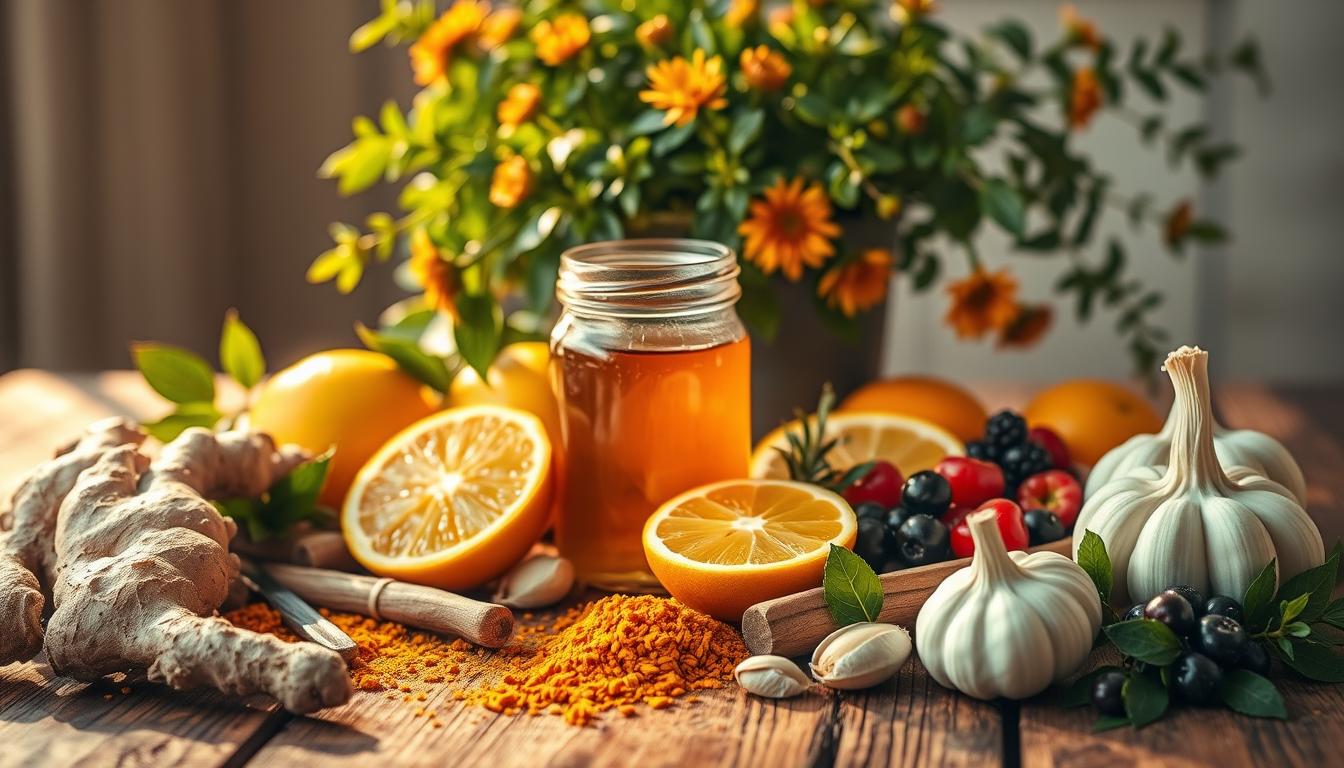
Adding natural supplements to my daily routine can boost my immune health. Echinacea is known for helping shorten colds and strengthen the immune system. I take 300 to 500 mg of it three times a day.
Elderberry is also great, packed with antioxidants and vitamins for the immune system. I might take elderberry syrup or capsules, with doses from 150 to 300 mg.
Probiotics are key for gut health, which is linked to a strong immune system. Taking a probiotic supplement daily, with at least 10 billion CFUs, can help fight off illnesses.
It's important to talk to a healthcare provider before starting any supplements. They can help me find the right mix and amounts for my immune health. By trying these natural options, I can build a strong routine for better wellness.
| Supplement | Benefit | Recommended Dosage |
|---|---|---|
| Echinacea | Shortens cold duration, boosts immune response | 300-500 mg, three times daily |
| Elderberry | Rich in antioxidants, supports immune function | 150-300 mg daily |
| Probiotics | Enhances gut health, strengthens immune response | 10 billion CFUs daily |
Healthy Routines for Immunity
Keeping a strong immune system is key. I focus on meal planning and a regular sleep schedule. These habits help me stay healthy and feel good.
The Role of Daily Meal Planning
Planning meals daily is important for a strong immune system. It helps me avoid bad food choices. I eat lots of fruits, veggies, whole grains, and lean proteins.
Good meal planning tips include:
- Creating a weekly menu that lists all meals and snacks
- Shopping with a detailed list to avoid impulse buys
- Prepping ingredients in advance for quick meal assembly
Setting Up a Sleep Schedule
Getting enough sleep is essential for my immune system. Not enough sleep weakens my defenses. To sleep well, I follow these steps:
- Going to bed and waking up at the same time every day
- Avoiding screens an hour before bedtime to promote better sleep quality
- Creating a relaxing bedtime routine that calms my mind
Hygiene Practices That Support Immune System Health
Keeping up with good hygiene is key to fighting off infections. Simple habits can make a big difference in how well our immune systems work. Hand washing is a top priority, even more so during cold and flu season. Washing hands with soap and water for 20 seconds helps keep germs away.
Handling food safely is also vital for our immune health. I make sure to clean kitchen surfaces and keep raw and cooked foods separate. This helps avoid foodborne illnesses and keeps my living space clean, boosting my immune system.
Keeping my living space clean is important for my health. I regularly disinfect high-touch areas like doorknobs and light switches. By making these habits part of my daily routine, I feel more confident in protecting my health and strengthening my immune system.
Social Connections and Their Impact on Immunity
Social connections are key to our well-being. I've learned that building relationships and getting social support can boost our immune system. Studies show that people with strong social ties tend to be healthier, including having a stronger immune system.
Being social is more than just physical health. Meaningful interactions can lower stress, which helps our immune system. For example, hanging out with friends or family not only offers emotional support but also encourages healthy habits. Activities like cooking together or exercising can help.
When times get tough, staying connected is even more important. The emotional strength from these relationships helps us handle stress better. I've seen how caring for our social circles can make our immune system stronger and improve our overall health.
Daily Immune-Boosting Rituals
Every morning is a chance to boost my immune system with special rituals. By following a routine that supports my immune health, I begin the day feeling strong. These daily habits help my body fight off sickness and keep my mind healthy.
Morning Immune-Boosting Practices
Starting my day with certain activities is key to a strong immune system. Here are the practices I focus on:
- Hydration: Drinking a glass of water as soon as I wake up is a must. It helps my cells work well and keeps me healthy.
- Nutrient-Dense Breakfast: I eat a meal full of vitamins and minerals. Smoothies with spinach, berries, and yogurt give me energy and boost my immune system.
- Light Physical Activity: Doing light exercises like stretching or yoga wakes me up. It also gets my blood flowing and starts my immune system working.
- Mindfulness or Meditation: Practicing mindfulness or meditation helps me stay calm and focused. It's good for my immune system.
By starting my day with these rituals, I feel ready to face whatever comes next. My immune system stays strong and ready to fight off sickness.
| Morning Rituals | Benefits |
|---|---|
| Hydration | Supports cellular function and energy levels |
| Nutrient-Dense Breakfast | Provides essential vitamins and minerals for immune support |
| Light Physical Activity | Stimulates circulation and immune response |
| Mindfulness or Meditation | Reduces stress, promoting better immunity |
Conclusion
Reflecting on the immune strategies in this article, it's clear that boosting our immune system is key. We've looked at many daily habits, like eating right and staying hydrated. We've also talked about getting enough sleep and managing stress.
These habits are vital for a strong immune system. Making small, consistent changes can greatly improve our immune health. Seeing these habits as part of a healthy lifestyle helps build a strong immune system.
By adding these habits to our daily routine, we take control of our health. I'm dedicated to keeping these practices up. This way, my immune system stays strong and ready for any challenge.
FAQ
What are some natural ways to boost my immune system?
To naturally boost your immune system, eat a balanced diet full of vitamins C and D, zinc, and antioxidants. Also, exercise regularly, get enough sleep, drink plenty of water, and manage stress. Adding natural supplements like echinacea or probiotics can also help, but talk to a healthcare provider first.
How does quality sleep affect my immune system?
Quality sleep is key for a strong immune system. It helps your body repair and grow. Not getting enough sleep can weaken your immune system, making you more likely to get sick. Try to sleep 7-9 hours each night by keeping a regular sleep schedule and making your bedroom sleep-friendly.
Can regular exercise support my immune system?
Yes, regular exercise boosts your immune system. It improves blood flow, reduces stress, and prevents chronic diseases. Choose activities like running, lifting weights, or yoga to keep your body healthy. Find an exercise routine you enjoy to stick with it long-term.
What daily habits can enhance my immunity?
Daily habits that boost immunity include eating a healthy diet, drinking enough water, getting enough sleep, managing stress, and staying clean. Adding these habits to your daily life helps build a strong immune system.
Why are social connections important for immune health?
Having strong social connections is good for your immune system. It lowers stress and improves your overall health. Spending time with loved ones supports your emotional well-being and strengthens your immune response. Building and keeping relationships is vital, even in tough times.
What are some effective stress management techniques?
Effective stress management includes mindfulness, yoga, regular exercise, and deep breathing. Using these methods daily can reduce stress, improve your mood, and support your immune system. This leads to better health overall.
How can meal planning support my immune health?
Meal planning ensures you eat nutritious foods and avoids unhealthy choices. Planning meals rich in immune-supporting vitamins and minerals helps your immune system. Include foods like fruits, vegetables, lean proteins, and whole grains in your meals.
What hygiene practices can I adopt to protect my immune system?
To protect your immune system, practice good hygiene like washing your hands well, handling food safely, and keeping your living space clean. These habits are critical during cold and flu season and help keep your immune system strong.
